Custom software development
Software for tax advisors and auditors.
Custom software development, DATEV integrations, Excel programming and web applications for tax advisors, auditors and everyone else where too much still runs by hand.
















What we build
Our services
-
DATEV integrations
Your software exchanges data with DATEV directly. Nobody types anything in twice.
- Connected through the official DATEV interfaces or DATEV partners
- DATEV data put to use in other software and processes
- Automatic two-way sync with DATEV
-
Excel programming
We build extensions for Excel, Word, Outlook, Teams and many other Office apps. What gets done by hand every day today runs at the push of a button.
- Add-ins used right inside Excel, Word or Outlook
- Your own functions in the environments people already know
- Rolled out centrally and available to every employee
-
Web applications
Your own software in the browser, built around how you work. Nothing to install, usable from anywhere.
- Internal and external applications
- Works on the go as well
- Connected to the software you already use
-
Websites
A website that loads fast, looks good and turns visitors into enquiries.
- Tailored one-off projects, no off-the-shelf template
- Fast on phone and computer
- Easy to find on Google and in AI search
Work
Selected work
 VIP Steuerköpfe · SaaS
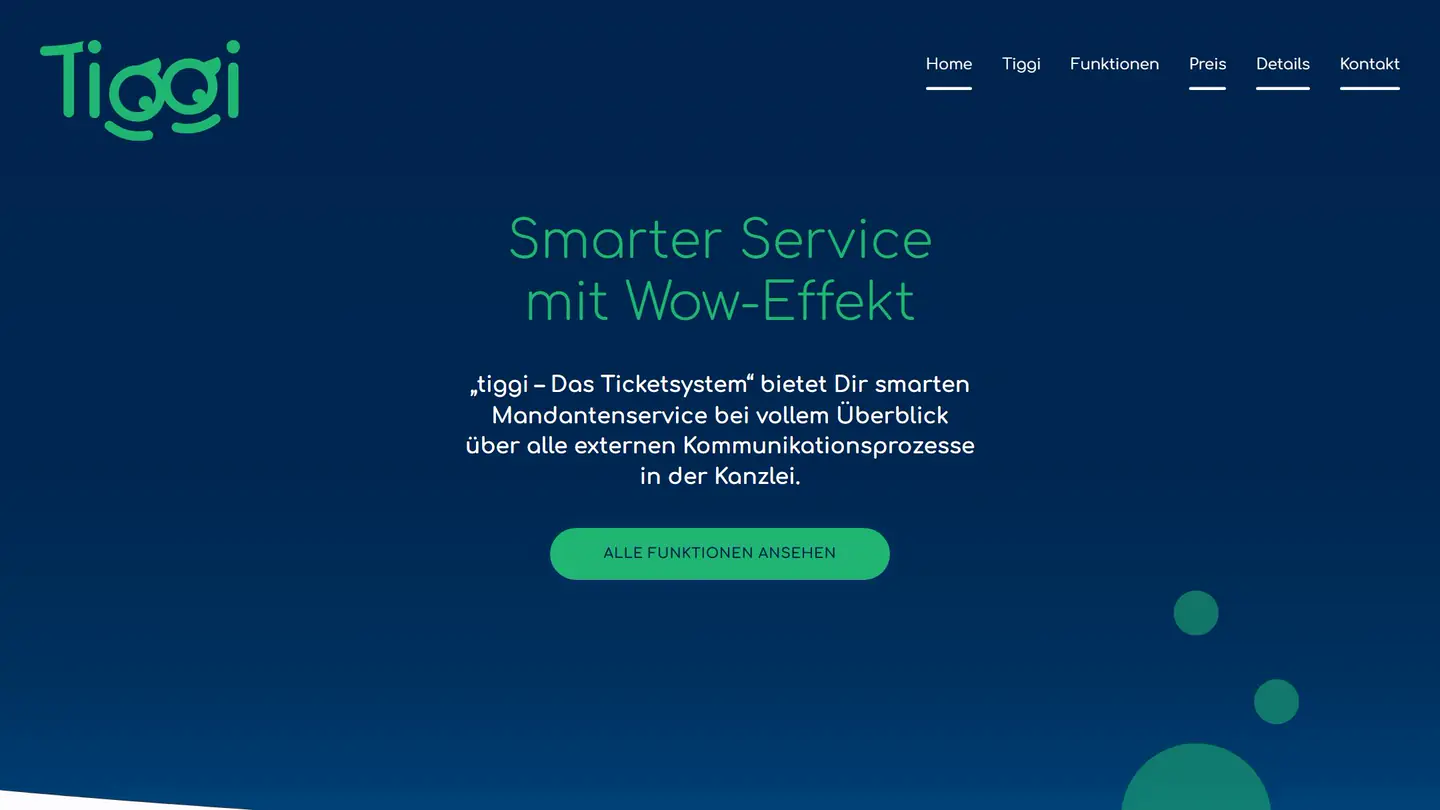
tiggi.io
Smart ticketing system for tax firms featuring seamless DATEV integration and automated client assignment.
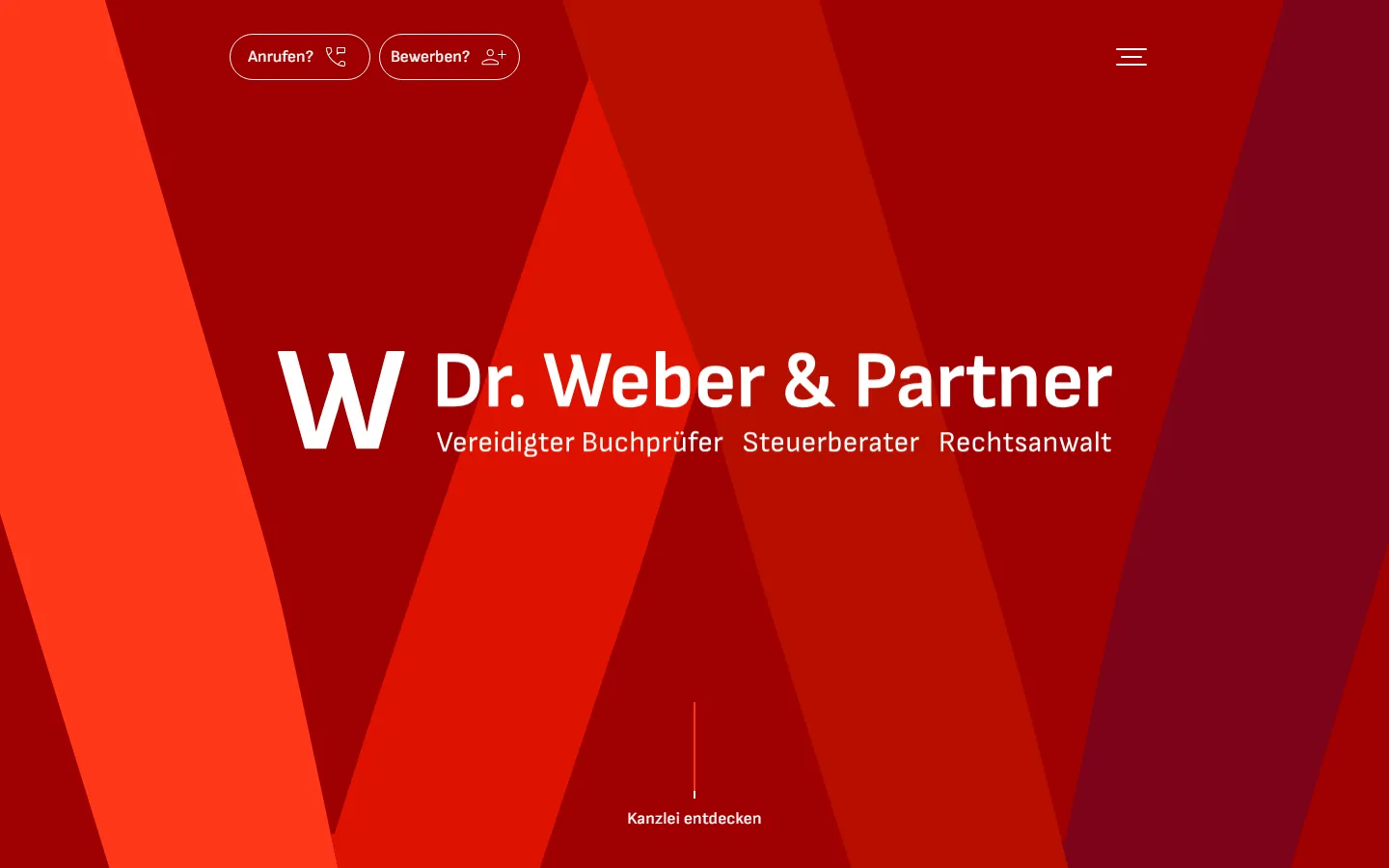
Kanzleigruppe Weber
Modern web presence for a tax advisory firm, custom design, fast and to the point.
 Office add-inValid Value B.V. · Office add-in
Valid Value Suite
Enterprise Office add-in for seamless linking of valuation models across Excel, Word, and PowerPoint.
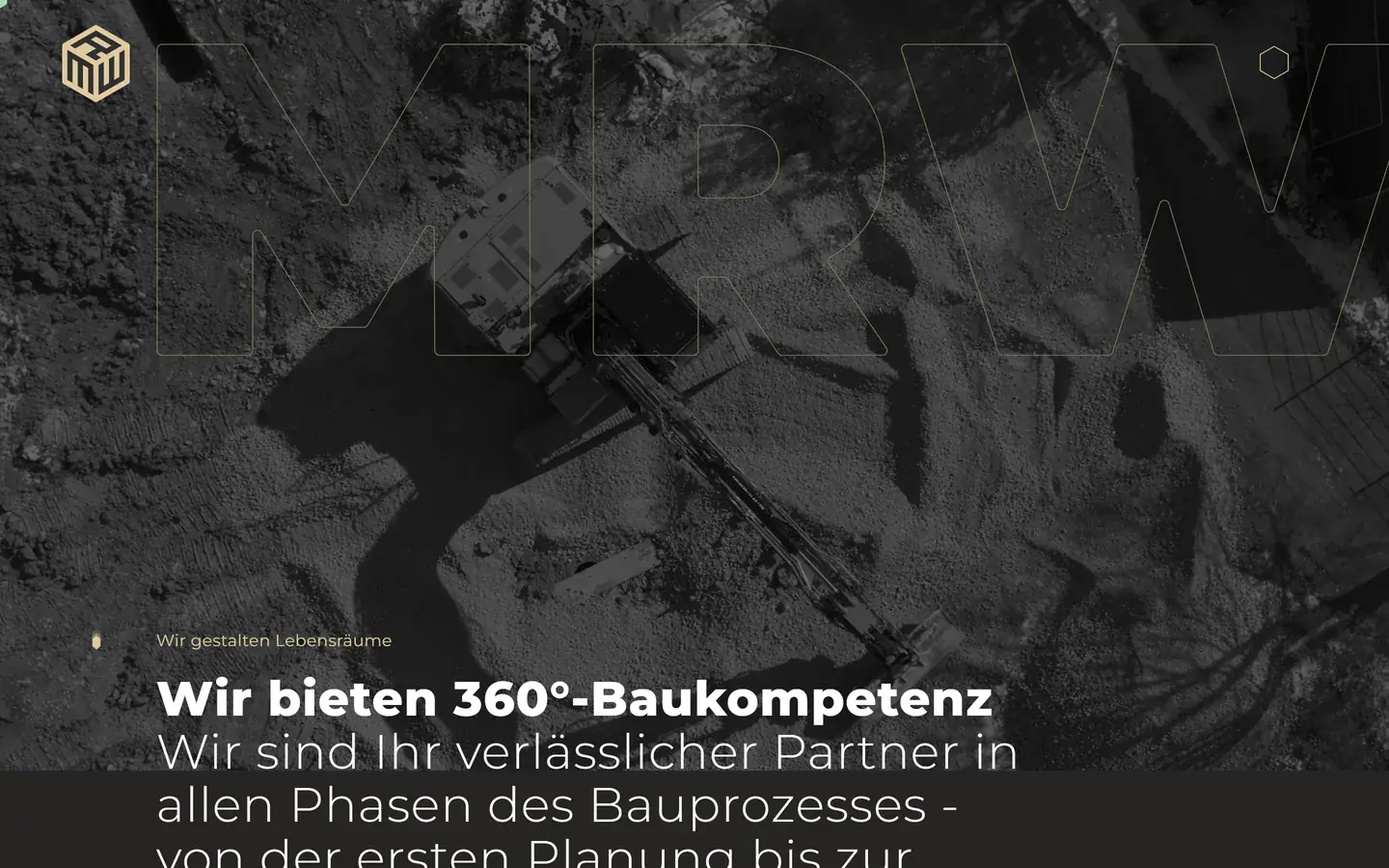
MRW Group
High-end interactive website for a modern construction company, focusing on UX, speed, and gamification.
 Office add-inPKF WULF GRUPPE · Office add-in
 PKF Annual Report Engine
Powerful reporting tool for PKF WULF GRUPPE for the automated generation of annual financial statements.
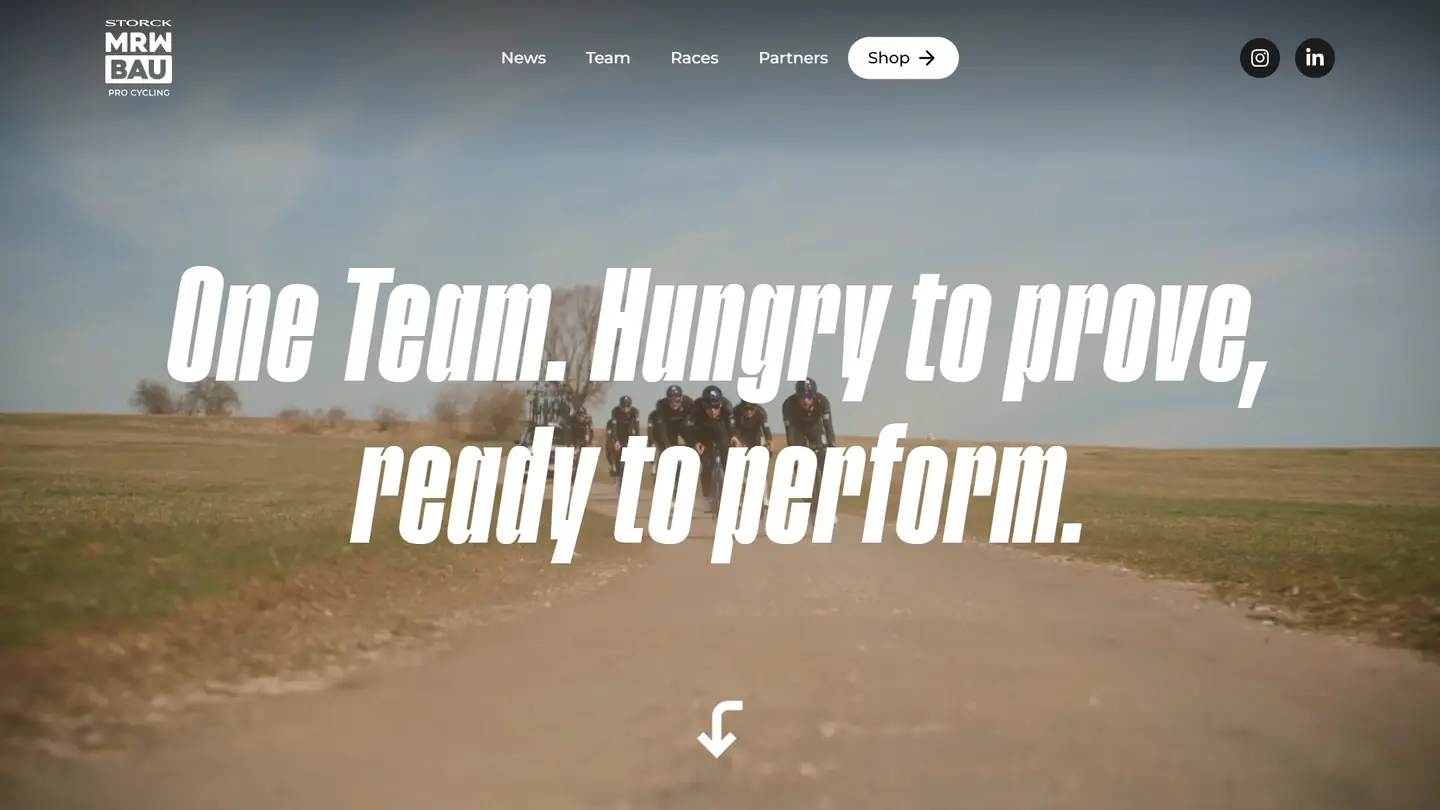
Team Storck MRW Bau
Web presence for a cycling team, riders, news and shop in one place.
Really professionalized our product.
I found Julian when we were looking for a programmer for our Office add-in. Based on his recommendation we went for a C# implementation, which really professionalized our product and helps us scale our solution much faster. I will definitely work with Julian on our next project.
 Koen Rijnsent CTO, Valid Value B.V.
 More from us

For valuation and private equity
Auditable data extraction for Excel models.
Keep AI mistakes out of your model. FLOW reads your reports and writes only values you’ve checked at their source. Every sign-off is on record.

About jumoca
Problems are there to be solved
In many companies, data is carried from one system to the next every day and processes are done by hand that could be automated.
The reason is simple: either there is no software for the company’s own processes, or there are many different systems and no interfaces between them.
In the end everything lands in Excel sheets again, in hand-written documentation, or duplicated across assorted folders and programs.
That is what jumoca is for: software that follows the work, not the other way round.
From its base near Heidelberg, jumoca delivers projects around the world, from Australia to the United States.
- 70+
- projects delivered
- 2019
- founded
Questions
Common questions
Who do you build software for?
Mainly tax firms, auditors and companies in the financial industry. That is where the workflows we know best live. An understanding of processes carries over to any industry, though.
What does custom software cost?
Less than you would think.
These days the programming itself is rarely where the cost sits. Advances in artificial intelligence mean first drafts are often written quickly, and well-documented processes can be turned into software fast.
You pay for the expertise in planning and designing reliable solutions that still serve you well many years from now, not because someone is particularly good at pressing keys.
That keeps the cost within reach for smaller companies too. An exact figure needs an actual project, which is what the free initial assessment is for.
After the assessment you get a fixed-price quote. Edge cases and exceptions still drive the effort and have to be accounted for in the planning.
All in all, the price cannot be defined without a concrete project, but you should expect at least a four-figure one-off cost or a low three-figure monthly fee.
How long does development take?
That depends heavily on the scope of the project. A website usually starts at one to two weeks, an Office add-in at two to four, and a web application usually takes several months. A first usable version always arrives early.
Why not build my software myself with AI?
You can, and for testing an idea it is often the best option.
Once it comes to systems or processes that have to run end to end as a whole, with someone standing behind their function and correctness, that is where we come in.
Years of steering, building and maintaining countless projects help us keep every detail in view and know when something is not a good idea, even though the AI would not object.
Do you work with AI?
Yes, we even run our own AI on dedicated servers in the EU.
We do not rely on the big cloud providers alone. With AI models that run locally we can raise productivity in your company without your data leaving the building.
We are also happy to build software and processes around AI you already use, such as tools for Langdock or MCP connectors for Claude: interfaces your existing AI can use to trigger tasks and processes tailored to you.
Get in touch.
Why would I need a DATEV interface?
Interfaces let data move between DATEV and other programs and processes. In practice that means no more maintaining master data twice, and no more copying working hours over by hand. A newsletter, for example, can draw directly on the addresses stored in DATEV instead of a second list someone has to keep up to date.
Do you work remotely or on site?
Mostly remotely, on site if you prefer.
What is the process like?
It starts with a conversation in which we analyse and discuss your needs and how you work. You then get a quote that spells out the result. We build in short stages: you see a running version early, give feedback, and we adjust. One person stays your point of contact for the whole project.
What happens after the project?
The software runs and we stay reachable for maintenance, updates and further development.
Who owns the source code from a project?
You do, unless the contract says otherwise. You are free to do whatever you like with the results of the work at any time.
How do you handle data protection and client data?
If a solution needs neither a server nor the internet, all data stays with you on site. Solutions such as local Excel add-ins usually need no internet connection and therefore transfer no data. Often we simply work with test data that looks like the original.
If the project does need internet access, say for a web application that has to be reachable from anywhere, we rely on trusted partners in Germany and Europe and on our own dedicated servers. For AI we run our own servers as well and only turn to cloud providers if you ask us to.
Data processing is covered by a written agreement, and if you wish we sign a non-disclosure agreement before the first conversation.